
Find People Through Enterprise Records
The best starting point depends on the fact already in hand. A current street address belongs in the Clark County Assessor search. A person or company name belongs in the Recorder index. A case number or party name points to a court portal. Older addresses may require a telephone directory, a newspaper collection, or microfilm. Enterprise has no city clerk or municipal court, so a search aimed at a nonexistent municipal office will miss the actual county trail.
Work from broad identity facts toward a document that can be checked. Do not treat the first matching name as proof. Middle initials, prior surnames, trusts, and business names often separate one person from another. A parcel number, called an APN in Clark County, is especially useful because it links the assessment roll, maps, and recorded instruments without relying on spelling alone.
- Use the Assessor when an address, owner, parcel, or subdivision is known.
- Carry the APN or owner name into the Recorder and test Starts With, Contains, and Exact.
- Check the correct Justice or District Court portal for public party records.
- Use Clerk, vital-record, archive, or library channels for family events and older names.
- Ask the named custodian for an existing record when its portal does not show the needed period.
Note: A public index is a finding aid; the image, full case file, or certified copy may be a separate product.
Enterprise Search Runs Through Clark County
Enterprise is a 67-square-mile unincorporated town in the southwest Las Vegas Valley. Clark County administers it through county departments and an appointed Town Advisory Board. That means there is no Enterprise city recorder, city archive, or separate city court. A Las Vegas postal label also does not prove that a parcel lies inside incorporated Las Vegas. County GIS, the tax district, and the parcel record settle the government boundary.
Neighborhood labels can matter as much as the town name. Silverado Ranch, Southern Highlands, Mountain's Edge, and subdivision names may appear in permits, plats, school material, or older news. Historic records may use Las Vegas, Clark County, a township, ranch, or subdivision instead of Enterprise. Try those place names when an exact town search fails.
Geography check. Use a postal address for delivery, county GIS for jurisdiction, the Assessor for parcel identity, and the Recorder for title history.
Start an Enterprise Owner Search
The Clark County Assessor Real Property Records menu accepts a parcel number, owner name, address, subdivision name, subdivision owner, parcel type or book and page, parcel tree, and parcel-map inquiry. Owner searching is oriented to a last name or business name. Address searches work best without too much punctuation or an over-specific street suffix.
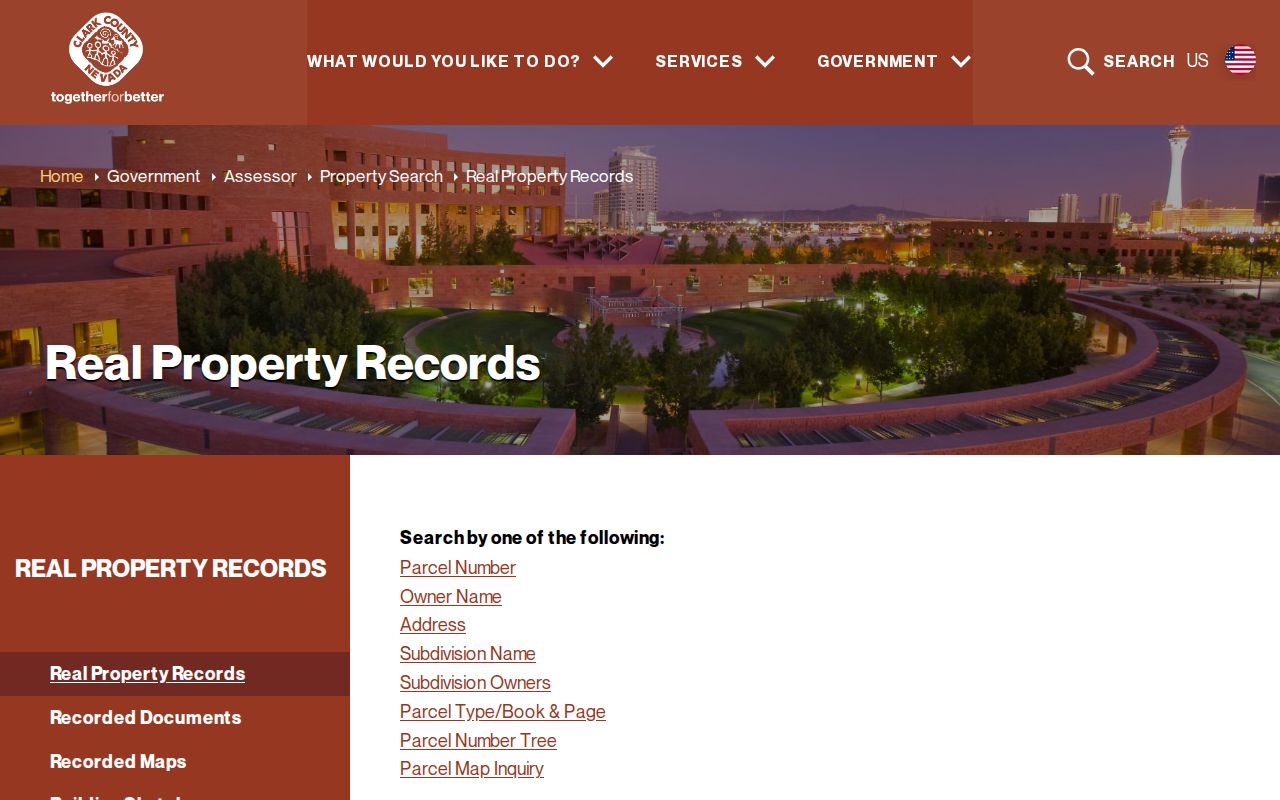
The menu shows why the Assessor is the best address gateway. A parcel detail may list the owner, tax-mailing address, physical or situs address, APN, legal description, values, tax district, sale references, and map links. Situs means the parcel's physical location. A mailing address is where the tax notice goes, and it does not prove where the owner lives.
| Known fact | Assessor route | Useful return |
|---|---|---|
| Owner surname | Owner Name | Parcels, APNs, mailing and situs fields |
| Street location | Address | Current parcel and owner record |
| Subdivision | Subdivision Name | Lots and recorded map context |
| Partial APN | Parcel Tree or Map Inquiry | Related parcel branches and map |
Build an Enterprise Recorded-Name Trail
The Clark County Recorder name and company search turns an owner or APN into a dated chain of deeds, trust deeds, liens, releases, homesteads, notices, maps, and other recorded instruments. It separates person fields from company names. The name control offers Starts With, Contains, and Exact, while date, book type, and document type narrow a crowded result set.
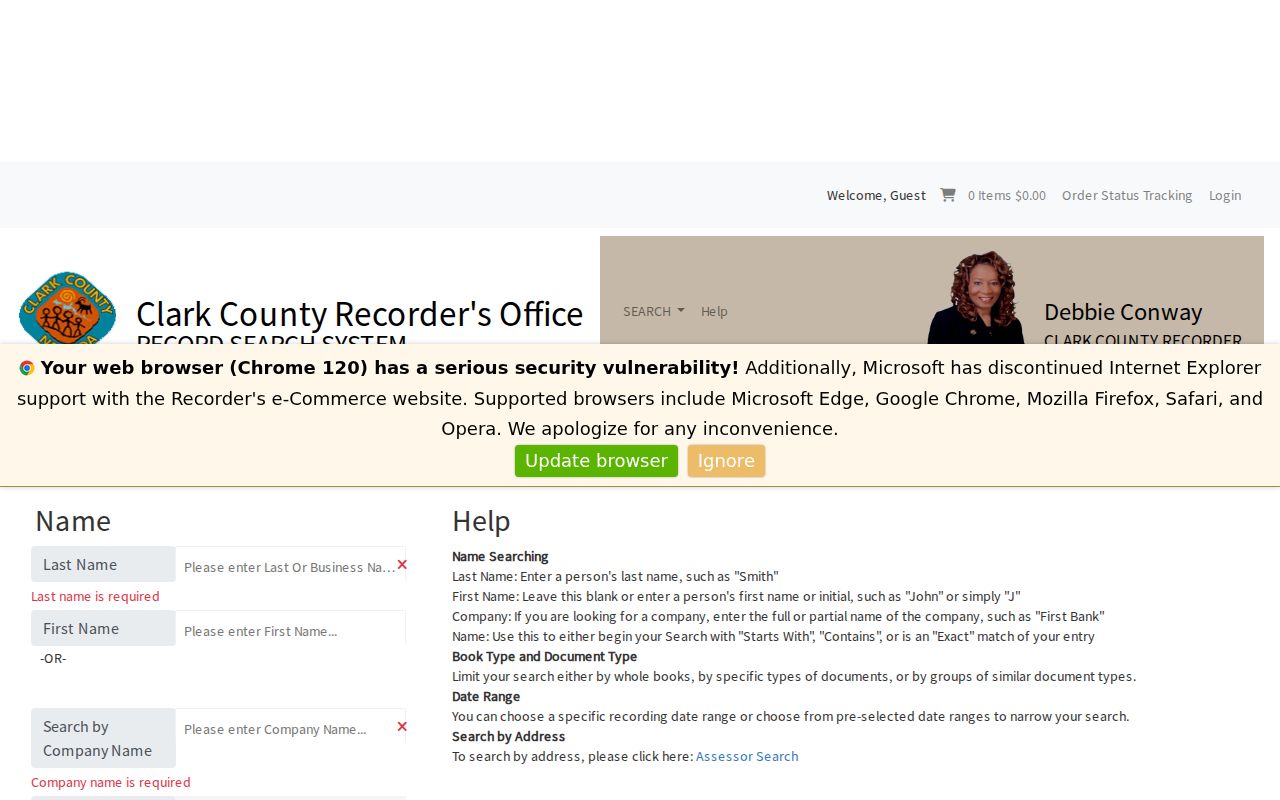
The Recorder has no direct street-address search. Its interface sends an address user to the Assessor. Capture the APN there, then reuse it in Recorder parcel search. That handoff cuts down namesake noise and preserves the link between a property and its instruments.
| Recorder field | Input | How it narrows a search |
|---|---|---|
| Last and First Name | Person name | Separates an individual from company entries |
| Company Name | Full or partial entity | Finds trusts and business parties |
| Name Match | Starts With, Contains, Exact | Handles initials and spelling variants |
| Date Range | Preset or exact dates | Focuses on a known period |
| Document Type | Selected instrument families | Limits deeds, liens, releases, maps, and more |
- Grantor
- The party giving or transferring an interest.
- Grantee
- The party receiving that interest.
- Instrument
- A document accepted and numbered by the Recorder.
- Index
- A summary used to locate a document, not the document itself.
Enterprise People Records Offices
Three Clark County custodians form the main local records spine. The Recorder keeps recorded land instruments. The Clerk handles marriages and fictitious firm names. The Assessor maintains the current property roll and mapping routes. These databases complement one another, but they are not interchangeable.
Clark County Recorder
Earlier indexes and copy help are available through the office.
Clark County Clerk
Marriage certificates from 1909 and fictitious firm names.
Clark County Assessor
500 S. Grand Central Parkway, Las Vegas, NV 89155
702-455-3882
The County Clerk became the marriage recorder on July 27, 2015. The Clerk's marriage index still reaches back to 1909, though online certificate images are not open for viewing. An account is used to order a mailed copy. That office change is why a marriage search should not be limited to the current Recorder menu.
Map an Enterprise Address Search
The Clark County OpenWeb GIS viewer places a parcel among town boundaries, zoning, land use, tax and service districts, aerial context, and infrastructure. It is useful when “Las Vegas” appears in the mailing line but the property may be in Enterprise. The Assessor's parcel map can also accept part of the APN and section-township-range information.
GIS locates; it does not prove title. Assessment maps are not surveys. Confirm the owner in the Assessor and the legal interest in the recorded deed or survey. For an old or changed street label, use the Recorder's legal-description builder with subdivision, lot, block, government lot, section, township, range, or survey certificate fields.
Note: An owner name in a parcel roll does not establish that the owner currently occupies the Enterprise address.
Search Enterprise Court Records
Enterprise has no municipal court. The Las Vegas Township Justice Court inquiry covers limited civil, criminal, traffic, citation, and calendar routes. A public result can include a case or citation number, party, case type, status, events, hearings, charges, and disposition where those fields are open.
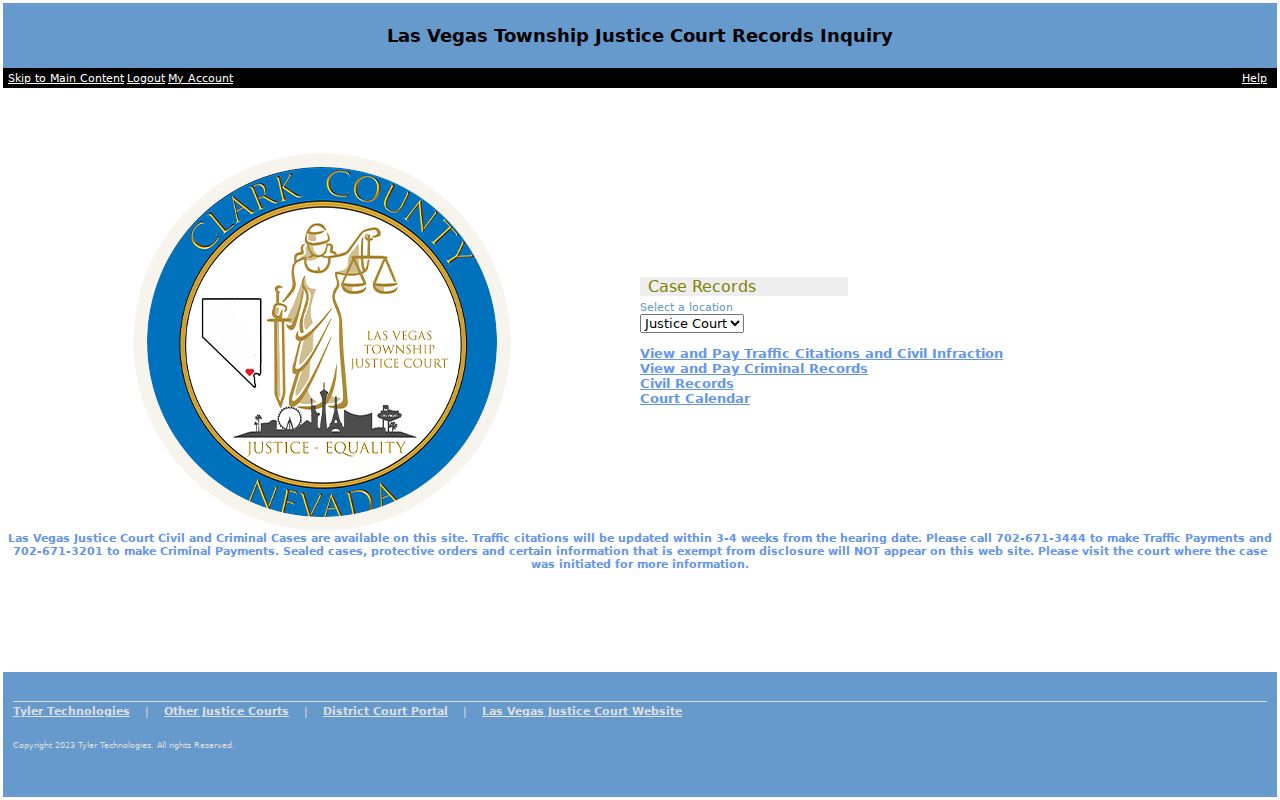
The portal omits sealed cases, protective orders, and exempt information. Traffic citations may lag several weeks after a hearing. If the name search is ambiguous, use a case number and ask the court clerk for the exact public document.
General civil, criminal, family, and probate matters belong in the Eighth Judicial District Court Portal. Probate can connect a decedent to a personal representative, heirs, later estate documents, and trust transfers when those filings are public.
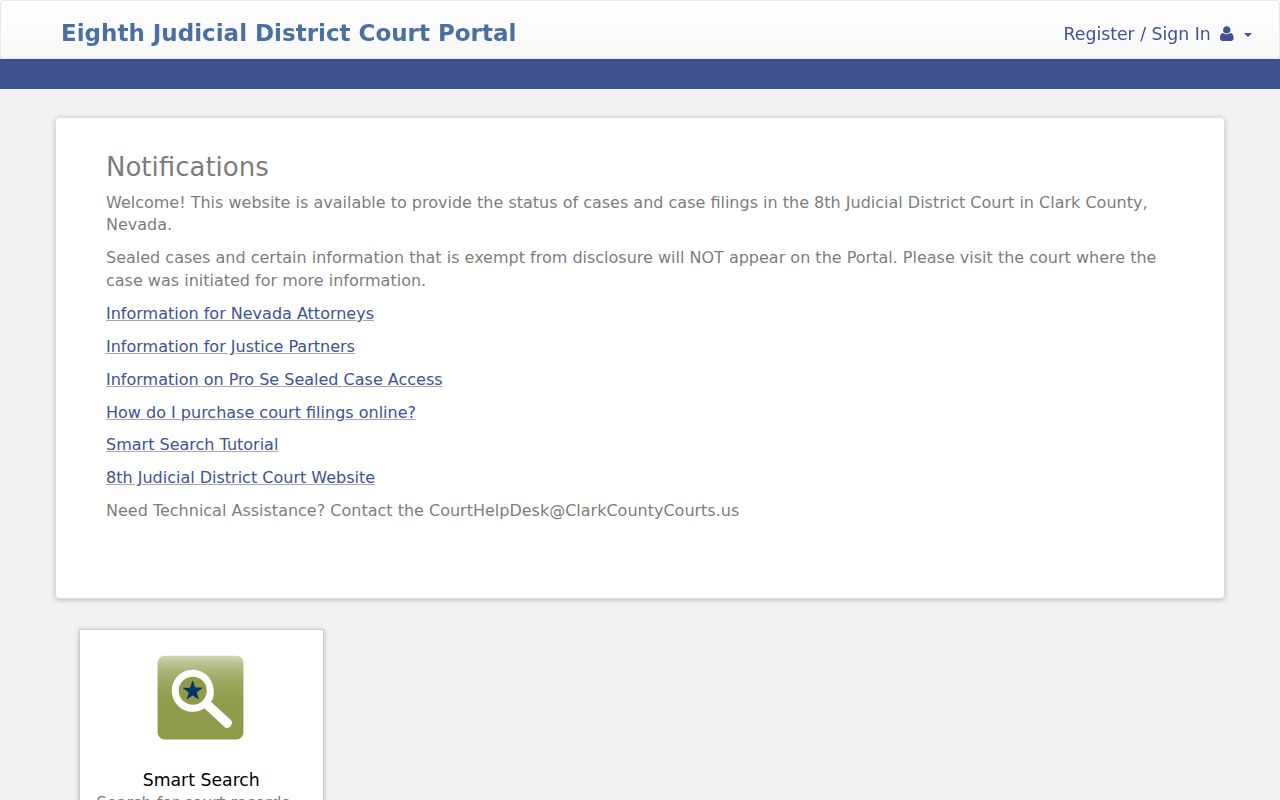
The District portal may show a case number, caption, party roles, department, case type, filed date, status, hearings, disposition, and public documents. Family, juvenile, adoption, sealed, and other confidential material remains restricted.
| Court | Enterprise coverage | Best route |
|---|---|---|
| Las Vegas Township Justice Court | Limited civil, criminal, traffic | Party, citation, case, or calendar search |
| Eighth Judicial District Court | General civil, criminal, family, probate | Smart Search and clerk copy request |
| U.S. District Court, District of Nevada | Federal cases | PACER account or Las Vegas clerk |
Check Enterprise Vital Records
Birth and death certificates use a different access path. The Southern Nevada Health District Vital Records office is the practical local issuer for Clark County events, while the Nevada Office of Vital Records holds statewide births and deaths from July 1, 1911. Recent certificates require a qualified applicant, identification, and proof of relationship or legal need under Nevada law.
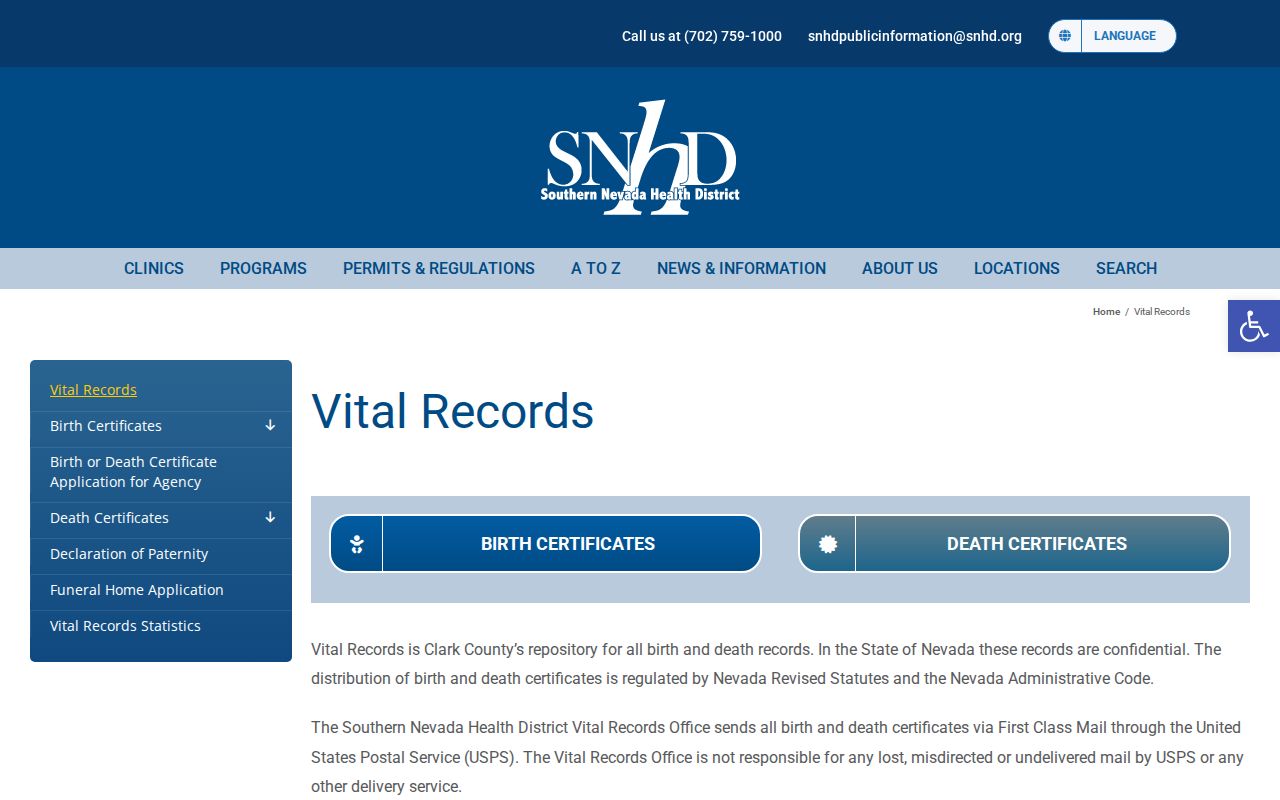
The health district page shows the ordering channel rather than a public recent-name index. Nevada protects births for 125 years and deaths for 50 years. Marriage certificates come from the Clark County Clerk, divorce decrees from the Eighth Judicial District Court, and state marriage or divorce verification is only an abstract confirmation.
Older family research can shift to county material, Nevada State Archives, the Library District, and UNLV collections. A certificate, a court decree, and an index entry are distinct records, so request the product that answers the actual question.
Use Enterprise Custody Lookups Carefully
The Clark County Detention Center Inmate Search covers current county custody. It may return a booking number, identity descriptors, facility or custody status, booking date, charges, bail, and scheduled court information. It is not a full criminal-history search.
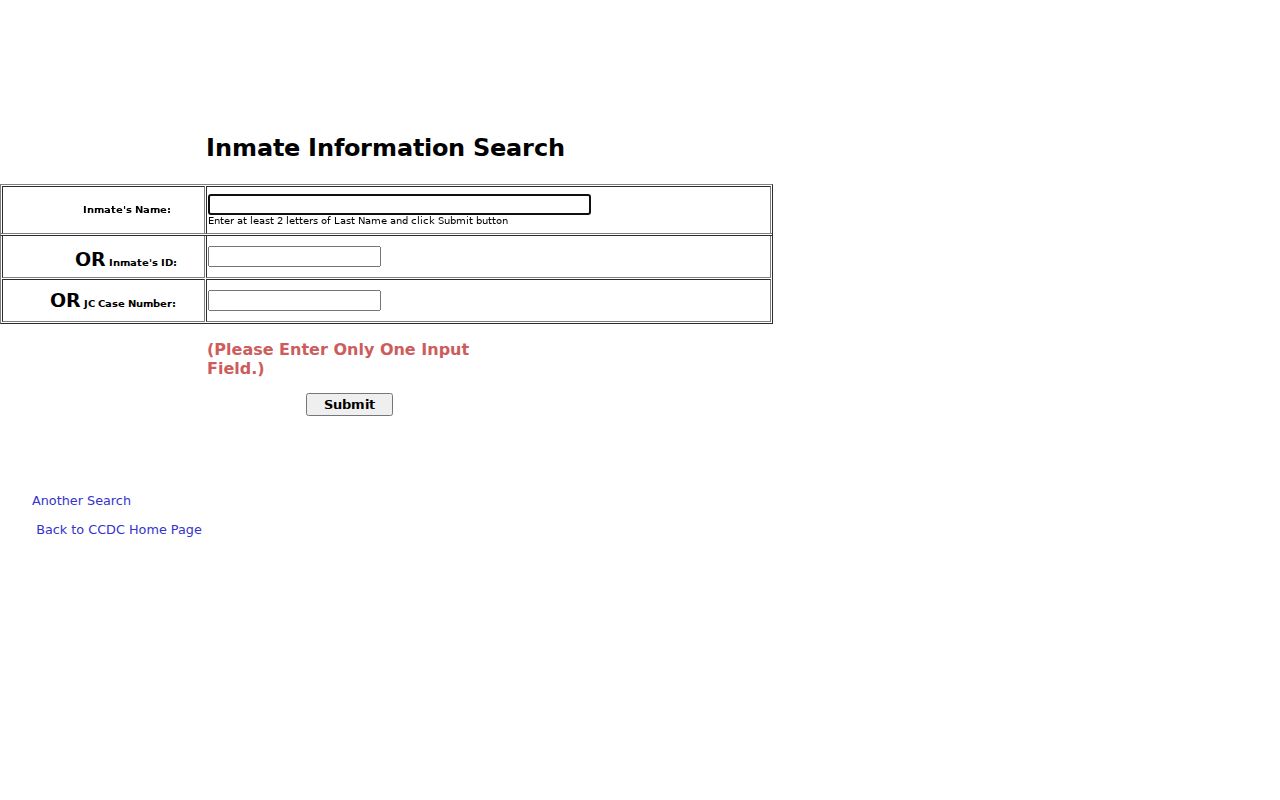
A non-hit may mean release, a spelling issue, another jail, or an update delay. Nevada Department of Corrections covers state prison, and the federal locator covers federal custody. Verify charges and case outcomes with the court that holds the docket.
Lawful personal use. Public records may not be used to stalk, threaten, harass, or harm a person. Follow each portal's use rules.
Cross Enterprise's 1988 Search Line
Clark County's record history has a clear digital boundary, not a loss boundary. Recorder microfilm begins with the county in 1909. The online official-record index starts in 1988, UCC material in 1986, and federal tax liens in 1984. Earlier records remain on microfilm. For pre-1988 mail copies, the Recorder directs a requester to obtain a page count by email before sending the exact payment.
Enterprise's advisory town structure dates to 1996, so older residents may not appear under the modern town heading. Search the broader Las Vegas Valley, county, township, school, ranch, or subdivision name. UNLV Special Collections has verified Southern Nevada telephone books for 1963 through 1966, Nevada Territory directories for 1861 through 1882, and a UNLV directory item for 1964 through 1965. The Library District can confirm other directory years title by title.
Begin historical work with a year and address if possible. A telephone book, yearbook, or released census can place a household in time. Use neighbors, household members, and an enumeration-district map to test a match. The 1950 federal census is the newest released decennial census at the research date because schedules remain closed for 72 years. After the directory or census establishes the setting, move through Assessor maps and Recorder microfilm, then check newspapers, probate, and cemetery or funeral records. Contributor-created memorial pages can suggest a lead, but an obituary, death certificate, or cemetery record should confirm it.
That distinction prevents a common error: a blank online result before 1988 does not show that the record never existed. It shows that the search must move to microfilm, an archive, or a reference desk.
Match Enterprise Business Names
A trade name can lead to two separate filing systems. Nevada Secretary of State SilverFlume can show an entity name and type, status, filing dates, Nevada business ID, registered agent, officers or managers, addresses, and filing history when those fields are public. The Clark County Clerk separately indexes fictitious firm names. A fictitious name is not the same as a state entity.
Because Enterprise is unincorporated, Clark County Business License is the local license authority. State boards then verify regulated professional licenses by name or license number. Those results may show status, type, dates, and public discipline, but a business or practice address should not be described as a home address.
Search the legal entity and the public-facing name separately. A deed may name a limited-liability company, a license may show a trade name, and the Clerk may hold the fictitious-name filing that connects them. Registered-agent information identifies the person or service designated to receive official papers. It does not by itself show who runs each daily operation. When a board record is involved, confirm the license type and current status in that board's own system because Nevada licensing is spread across separate agencies.
Use the filing systems together to check a seller, resolve a company name on a deed, or distinguish a person from a trust or entity. The Enterprise people directories treatment compares these rosters with school, government, property, and historical directories.
Verify an Enterprise People Search
Official records and commercial compilations answer different questions. Government indexes identify the custodian, record type, and date. Commercial profiles may merge namesakes, retain stale addresses, and omit their source. They cannot replace a deed image, certified certificate, or court file.
| Source | Strength | Limit |
|---|---|---|
| Official index | Names the record and keeper | May not include the image |
| Certified copy | Official reproduction with certification | May require eligibility or a fee |
| Library or archive | Preserves old directories and local context | Some material is onsite or by request |
| Commercial compilation | Broad hints across sources | May be stale, merged, or unverified |
Keep the instrument, case, parcel, or registration identifier with any note. Compare party roles, dates, related addresses, and document types before deciding that two hits concern the same person. A name-only court hit is not identity proof, and a deed names parties to an instrument rather than every occupant of a home. Likewise, a custody roster describes current custody data rather than a complete case history.
Recheck the live custodian when accuracy matters. If no portal covers the date, ask whether the record is at the counter, on microfilm, transferred to an archive, or held by another office. Request an existing record with a narrow date range and known identifier instead of asking staff to create a new report. That approach makes the Clark County fallback more precise and reduces the chance that the wrong department receives it.